Evidence-based innovation in surgical robotics
Cutting-edge expertise, education, and consulting for professionals, institutions, and patients.
OUR CORE
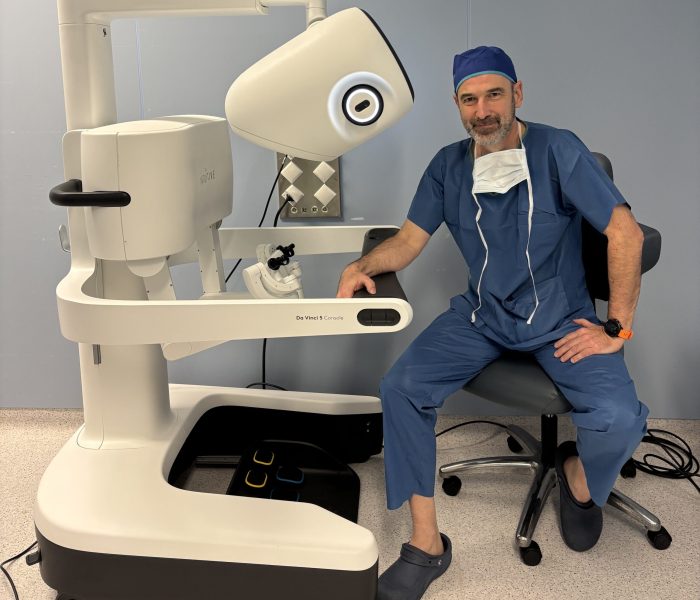
Robotic-assisted surgery enhances the surgeon’s capabilities through 3D visualization, wristed instruments, and ultra-fine control. In head and neck procedures, this means more accurate tumor resections, less scarring, faster recovery, and improved outcomes for patients.
Our goal is to make these benefits accessible and reproducible worldwide.
What we do

What we do
We follow a three-step process to help professionals and institutions adopt robotic techniques efficiently, safely, and successfully.
Explore cutting-edge robotic techniques, case studies, and anatomical resources.
We provide a curated library of surgical knowledge including videos, techniques, and decision-making tools. Our resources are designed for head and neck surgeons who seek to enhance their practice through evidence-based innovation.
Participate in hands-on training, virtual courses, and international workshops.
We offer structured education in robotic head and neck surgery. Training is conducted in collaboration with hospitals and academic partners, using real clinical cases and robotic systems. Programs are tailored for different levels of expertise.
Apply techniques with our institutional support and strategic guidance.
Hospitals and professionals receive consultancy to safely adopt robotic surgery in complex anatomical areas. We assist in setup, protocols, and mentoring to ensure sustainable implementation with measurable outcomes.




OUR DIRECTOR
Jose Granell attained his medical degree from Universidad Autonoma, Madrid, in 1993, and completed his Otolaryngology-Head&Neck Surgery residency at 12 de Octubre Hospital in Madrid in 1998.
Since 1999 he has been a faculty member of several hospitals in the Public Health System in Spain. Since june 2017 he is Chairman of the Department of Otolaryngology – Head&Neck Surgery at HLA Moncloa University Hospital, a national reference hospital in the private sector. He is professor at the School of Medicine of the the European University of Madrid.
His main clinical interests relate to head and neck oncologic surgery, with special focus on open and minimally invasive functional surgery, as well as reconstructive procedures, including a wider concern in facial plastic surgery. Currently he champions the development of robotics applied to head and neck surgery in Spain and other Spanish speaking countries, and acts as proctor for transoral robotic surgery.