
WELCOME TO HEAD & NECK ROBOTIC SURGERY IN THE H&N
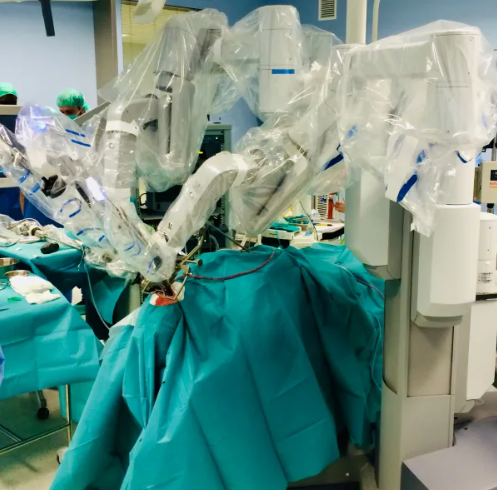
Oropharyngeal cancer, specifically in the tonsils and base of the tongue, has seen a rise in incidence in recent years, particularly in developed countries. Human papillomavirus (HPV), especially HPV type 16, has been identified as a significant contributing factor. Unlike traditional risk factors such as smoking and alcohol, HPV-related oropharyngeal cancers are increasingly affecting younger, non-smoking individuals, particularly males. HPV-positive oropharyngeal cancers often have a better prognosis and response to treatment compared to HPV-negative cases.
Current trends indicate that HPV-related oropharyngeal cancer may continue to rise, driven by transmission dynamics of HPV through oral-genital contact, with vaccination efforts aimed at curbing this trend over the long term.
Robotic surgery, particularly Transoral Robotic Surgery (TORS), has become an important tool in treating oropharyngeal cancer, providing several advantages over traditional surgery. TORS allows surgeons to access the oropharynx through the mouth, avoiding large external incisions and minimizing damage to surrounding tissues. This minimally invasive approach reduces recovery time, leads to fewer complications, and often preserves swallowing and speech functions better than conventional methods. Robotic surgery has proven to be particularly beneficial for HPV-positive tumors, which respond well to local treatment and may require less aggressive interventions than HPV-negative cases. Overall, robotic surgery is advancing the field by improving both survival rates and quality of life for oropharyngeal cancer patients (see the latest ASCO guideline)
Related posts: