Dept. Otolaryngology – Head&Neck Surgery HLA Moncloa University Hospital Valladolid Av. 83
info@headneckroboticsurgery.com
WELCOME TO HEAD & NECK ROBOTIC SURGERY IN THE H&N
The Robotic Operating Room
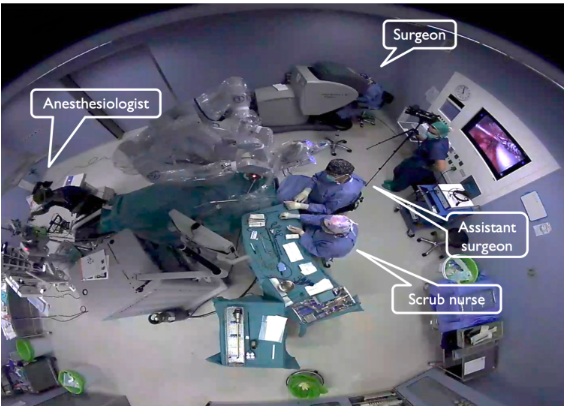
Robotic surgery introduces a fundamental shift in the dynamics of the operating room (OR) compared to conventional surgery. In traditional procedures, the surgeon stands directly at the operating table, working hands-on with instruments and in close proximity to the patient. In contrast, robotic-assisted surgery positions the surgeon at a console, often several feet away from the surgical field. From this console, the surgeon telemanipulates robotic arms equipped with precision instruments, translating their hand movements into fine, tremor-free actions within the patient. This separation requires not only a rethinking of the physical space but also adjustments in how the surgical team communicates and collaborates during the procedure.
Additionally, since these robotic ORs are often shared by multiple specialties—including ENT, urology, gynecology, and general surgery—they must be designed with flexibility in mind. Modular layouts, mobile equipment, and adaptable workflows are essential to accommodate the diverse requirements of different surgical disciplines, ensuring efficient turnover and optimal use of the robotic platform.
Also every robotic platform has peculiarities. Let’s examine the details of the set-up for every robotic device, categorized into two distinct groups of surgical techniques in robotic HNS: TransOral Robotic Surgery (TORS) and Robotic Remote Access techniques in H&N Surgery.