WELCOME TO HEAD & NECK ROBOTIC SURGERY
Bringing you the benefits of advanced minimally invasive surgery with cutting-edge robotic systems for safer procedures, minimal discomfort, and a quicker return to your daily life.
Robotic surgery combines the precision of technology with the experience of the surgeon to offer less invasive procedures, with less pain and faster recovery times. At HLA Moncloa, we have one of the most experienced teams in head and neck robotic surgery internationally, offering you innovative treatments with the highest standards of safety and quality of care.
Oropharyngeal cancer, specifically in the tonsils and base of the tongue, has seen a rise in incidence in recent years, particularly in developed countries. Human papillomavirus (HPV), especially HPV type 16, has been identified as a significant contributing factor. Unlike traditional risk factors such as smoking and alcohol, HPV-related oropharyngeal cancers are increasingly affecting younger, non-smoking individuals, particularly males. HPV-positive oropharyngeal cancers often have a better prognosis and response to treatment compared to HPV-negative cases.
Current trends indicate that HPV-related oropharyngeal cancer may continue to rise, driven by transmission dynamics of HPV through oral-genital contact, with vaccination efforts aimed at curbing this trend over the long term.
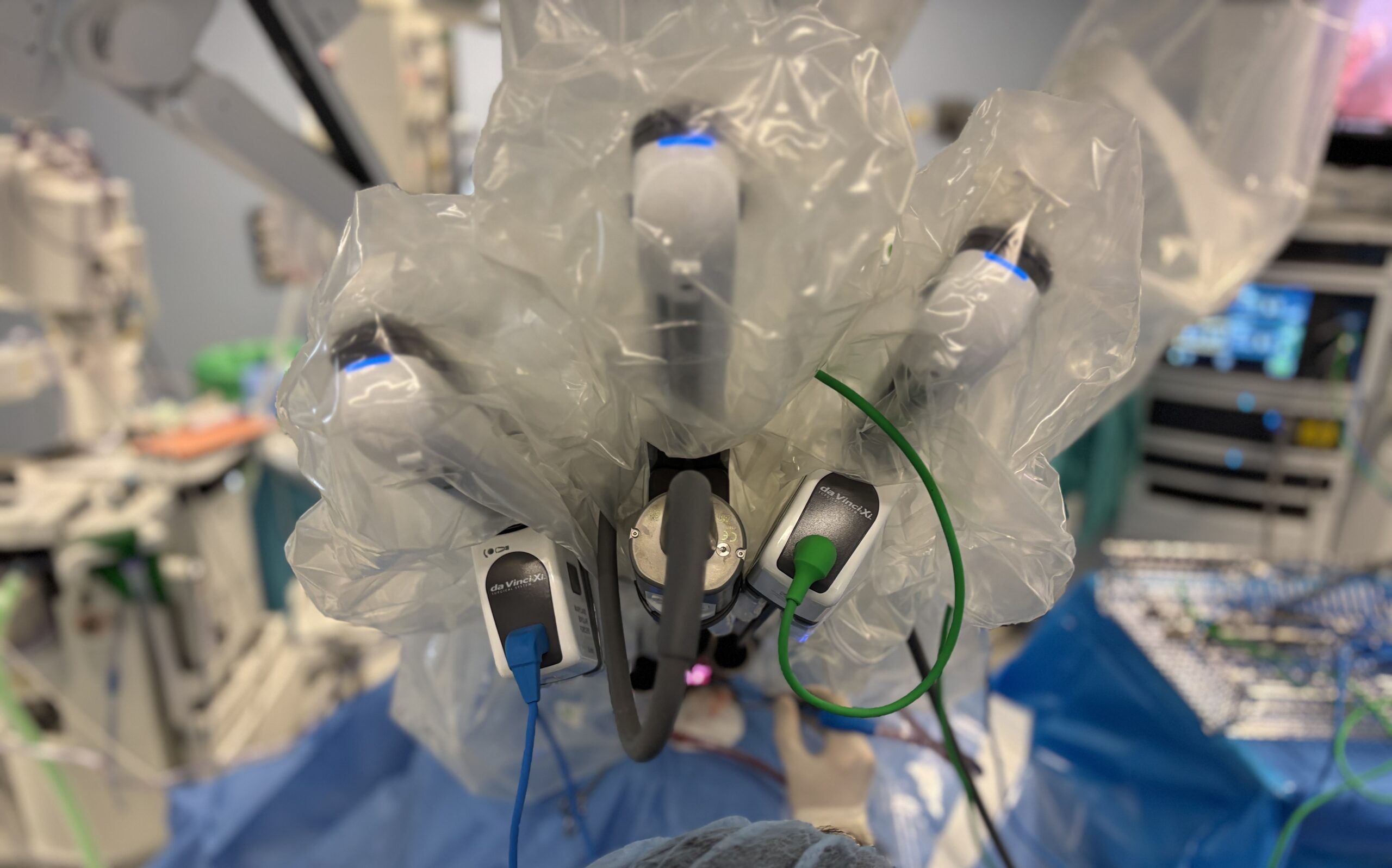
Robotic surgery, particularly Transoral Robotic Surgery (TORS), has become an important tool in treating oropharyngeal cancer, providing several advantages over traditional surgery. TORS allows surgeons to access the oropharynx through the mouth, avoiding large external incisions and minimizing damage to surrounding tissues. This minimally invasive approach reduces recovery time, leads to fewer complications, and often preserves swallowing and speech functions better than conventional methods. Robotic surgery has proven to be particularly beneficial for HPV-positive tumors, which respond well to local treatment and may require less aggressive interventions than HPV-negative cases. Overall, robotic surgery is advancing the field by improving both survival rates and quality of life for oropharyngeal cancer patients (see the latest ASCO guideline)
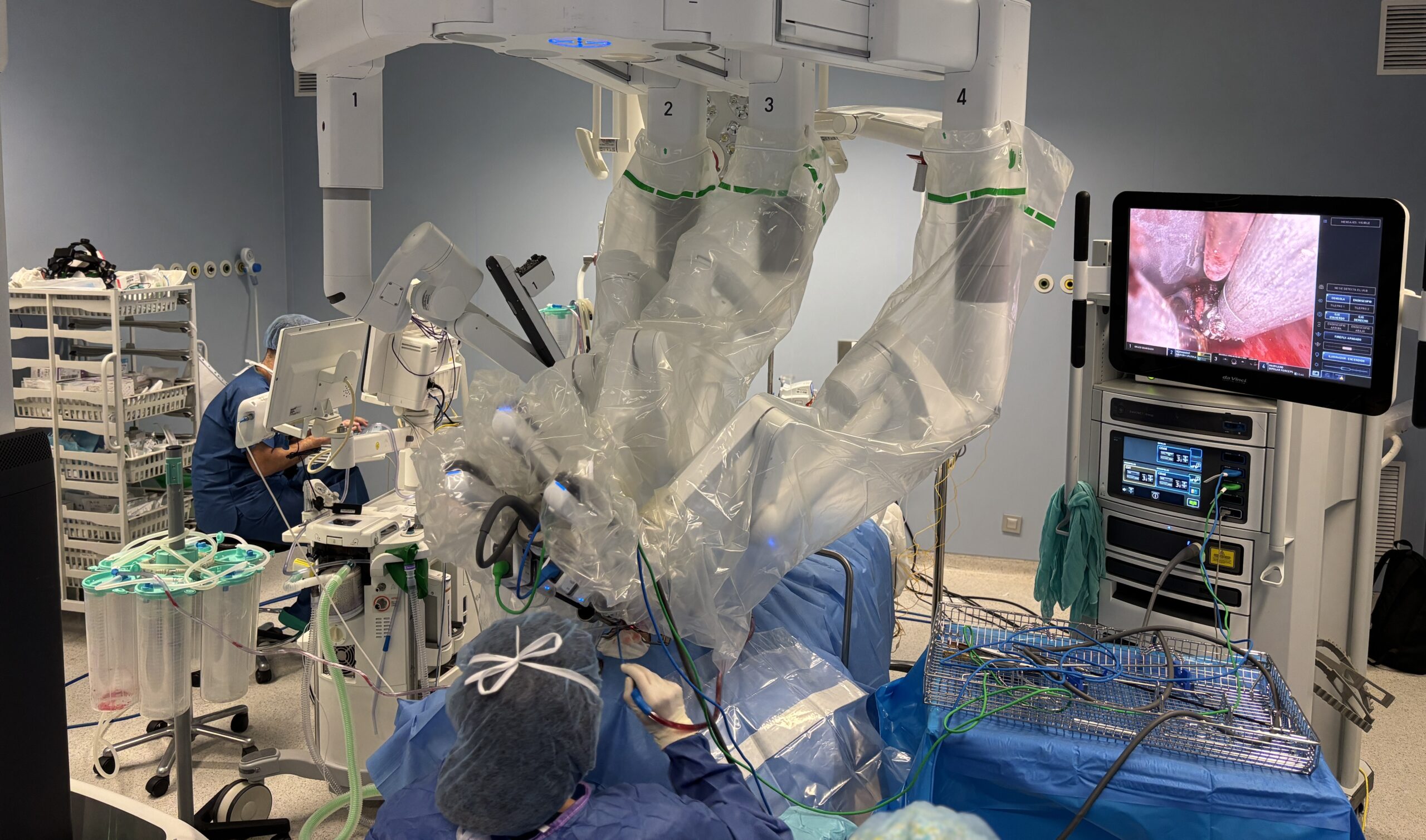
Robotic surgery is a form of minimally invasive surgery in which the surgeon operates through a computer-controlled system that translates precise hand movements into highly accurate actions inside the patient.
This technology allows the surgeon to work with enhanced vision, greater precision, and improved access to areas that are difficult to reach — all under the surgeon’s full control.
Key benefits for patients:
High-definition 3D vision — magnified, detailed view of the surgical area.
Wristed instruments — able to bend and rotate beyond the limits of the human hand.
Precision and safety — delicate tissues are protected with highly controlled movements.
Less invasive approach — smaller incisions, less pain, and faster recovery.
At HLA Moncloa, we use the latest generation of surgical robots to make your procedure as safe, precise, and comfortable as possible. Each system has unique features that help improve recovery time, minimise discomfort, and achieve the best possible outcome.
Main systems in use:
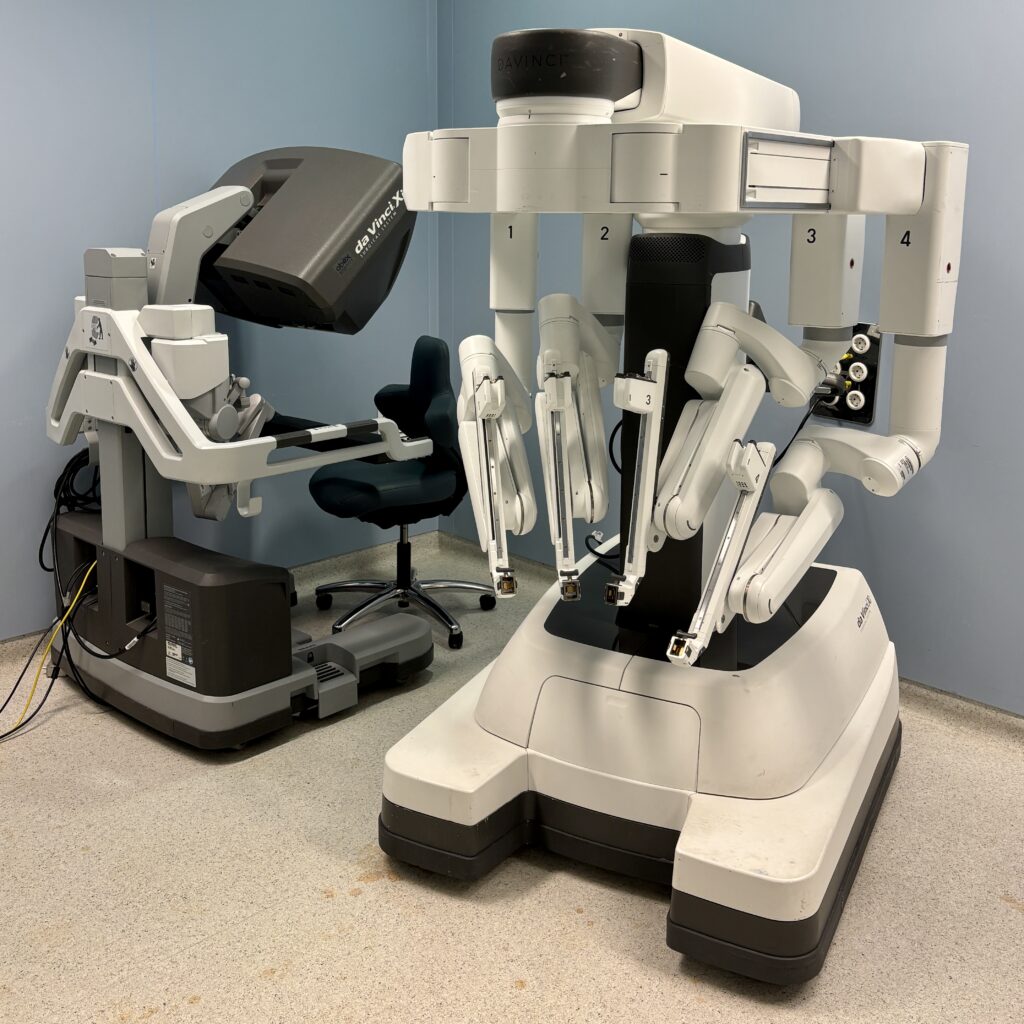
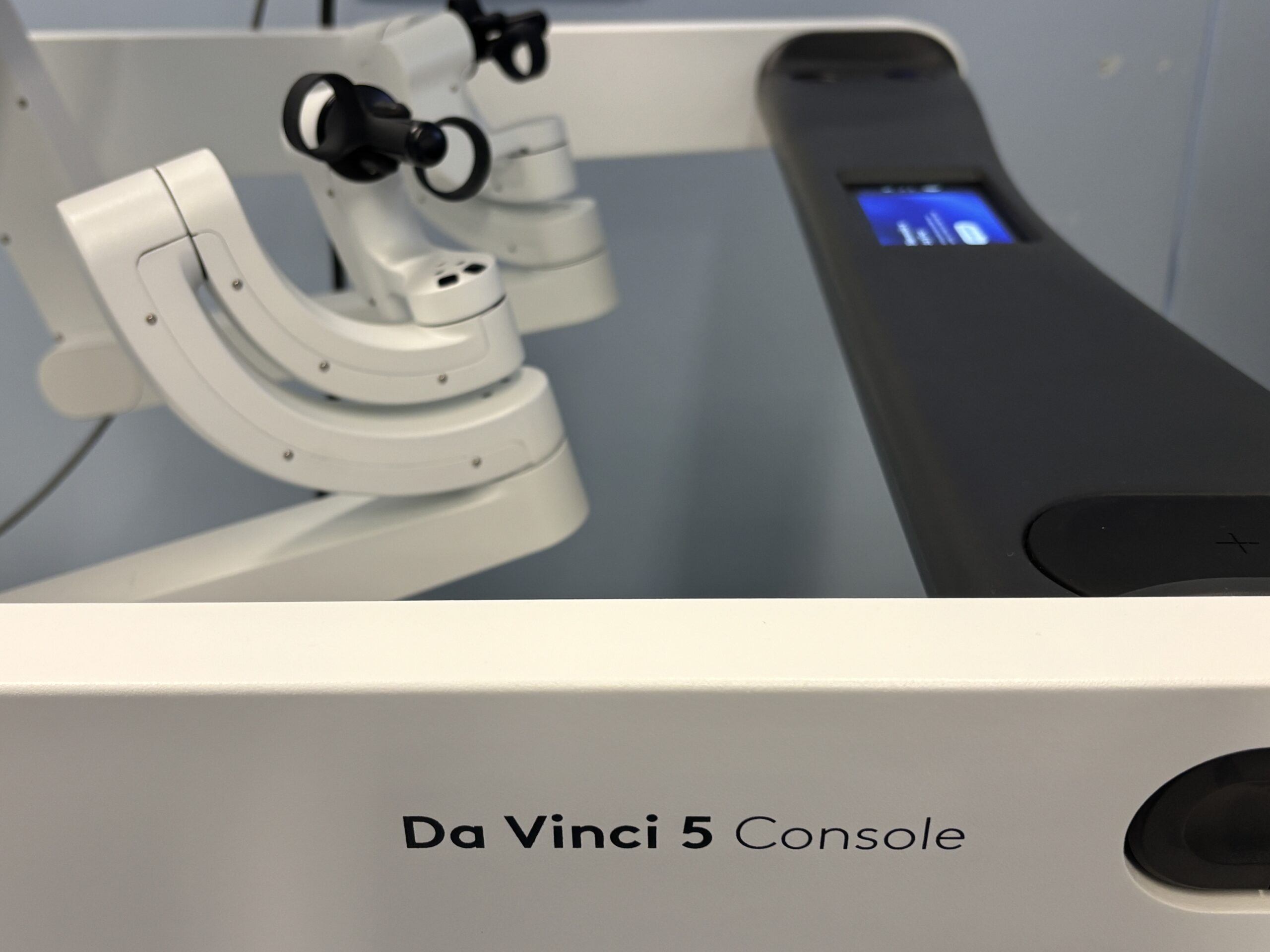
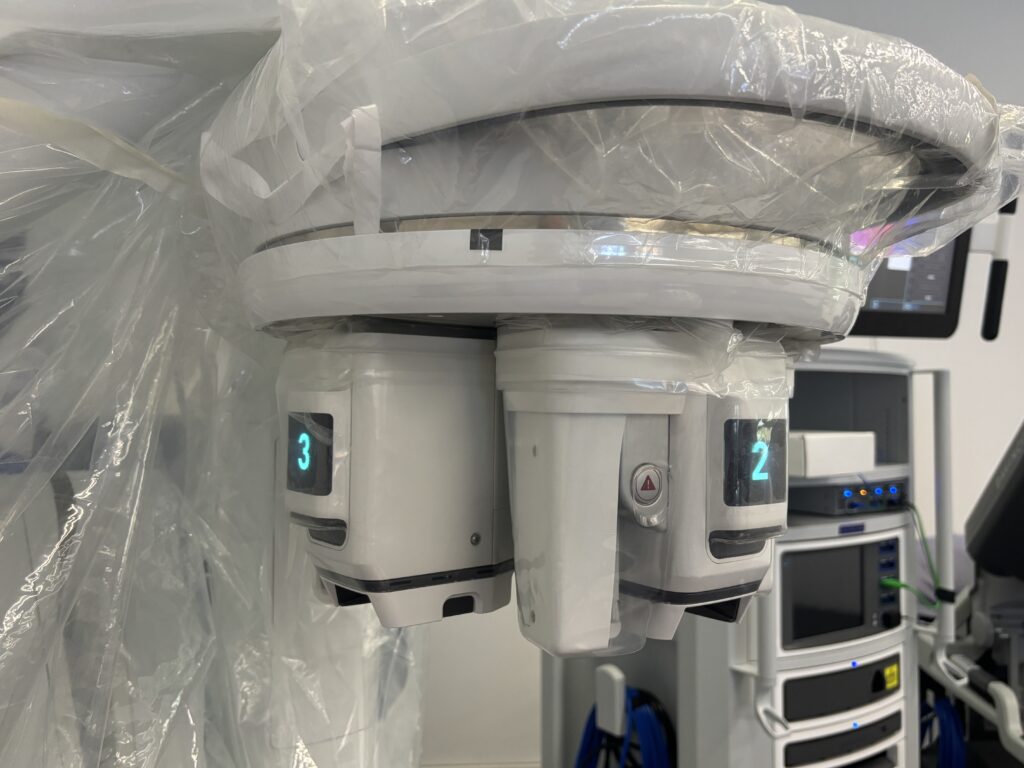
da Vinci Surgical System — Offers exceptional precision through small incisions, resulting in less pain, minimal scarring, and faster recovery.
Versius® — A flexible, compact system that adapts to different surgeries, making it possible to treat complex conditions in a minimally invasive way.
Hugo™ RAS — Designed for optimal surgeon comfort and control, which translates into smoother procedures and consistent results.
Flex® Robotic System — Its snake-like camera allows surgeons to reach difficult areas without large cuts, reducing trauma and speeding up healing.
HEARO® — Specialised in delicate ear procedures, ensuring extreme accuracy and protecting surrounding structures.